
Starting to draw: our 5 tips
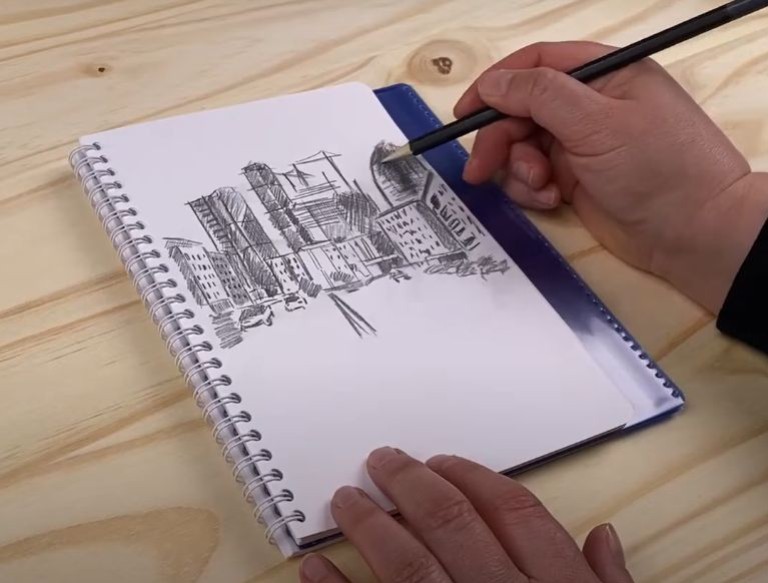
When you start drawing, it is not uncommon to feel a little lost, not knowing exactly where to start without getting discouraged. This initial phase is however crucial since it lays the foundations of your new artistic journey.
Drawing is not limited to a simple leisure activity; it can also have a remarkable therapeutic effect offering an escape from daily stress and allowing one to escape.

Have the right equipment
To start drawing in the best conditions, it is important to start with the right equipment. A well sharpened pencil, an eraser to correct without damaging the paper, and above all a quality drawing paper are the essential allies of any apprentice draftsman.

At Clairefontaine, we offer a range of drawing papers made in France, recognized for their excellent durability and their ability to bring out the best in your creations. The grain of the paper, its whiteness and its ability to withstand corrections all contribute to an enjoyable and productive drawing experience.

To start, choose drawing paper or layout notebooks which offer the possibility of using felt-tip pens or other techniques without ink penetration.
Don't forget to add a few pencils of different hardnesses to your pencil case so you can explore the whole range of nuances from delicate shadows to the most marked lines.
Example of the perfect product to start designing
Go to a calm environment
The environment in which you choose to draw plays a significant role in your ability to concentrate and express yourself. Find a quiet space where you feel comfortable, with a good source of natural light if possible. This could be a quiet corner of your house or a peaceful park. The important thing is to feel free to express yourself without distractions.
Light also plays a crucial role in the perception of colors and shadows, fundamental elements in the creation of a lively and realistic drawing. It is recommended to have as much light as possible, taking care that it does not cast shadows.
The first objects to draw
- When you start drawing, you should start with simple objects that will help you understand the basics of drawing such as perspective, proportions and how to render volumes on paper.
- Everyday objects such as a cup of coffee, a book or a chair can become excellent subjects for practice. By drawing these objects from different angles, you will learn to observe and reproduce the complexity of the world around you with simple shapes and lines.
This step is essential for developing a critical eye and refining your technique.
 Example of drawing for beginners
Drawing: a story of patience
Learning to draw takes time and patience. Don't be discouraged if your first attempts don't meet your expectations. Each drawing is a step towards improvement. The key is regular practice. Try to dedicate some time each day to your art, even if it's just a few minutes. This discipline will allow you to progress constantly. Remember that every artist started with the basics and patience is your best friend on this creative journey.
Don't want to skip steps
In the excitement of discovering your talents and expressing yourself through drawing, it can be tempting to immediately want to tackle complex techniques or reproduce works that inspire you. However, it is essential to first master the basics. Understanding how to draw simple shapes, playing with light and shadow, and above all understanding proportions correctly are essential skills before moving on to more complex subjects.
Each step taken is a building block that consolidates your learning and enriches your future drawings.
By following these little tips and equipping yourself with quality equipment like that offered by Clairefontaine, you will have all the keys to starting drawing.
If you are passionate about drawing, you will certainly be attracted to scrapbooking! Discover our article for getting started with scrapbooking!