




Origami, the art of carefully folding paper to create shapes and structures, is admired worldwide for its delicate balance between simplicity and complexity. However, creating striking origami pieces begins long before the first folds are made. A crucial step in the origami process is choosing the right paper. With a wide range of papers available — from lightweight to textured — how can you determine which one will best suit your origami creation?

What is Origami?
Origami is the traditional Japanese art of paper folding. A simple sheet of paper is transformed into a three-dimensional work of art, revealing shapes that range from simple to intricate — animals, decorative objects, and geometric figures.
The term “Origami” comes from the Japanese words “oru” (to fold) and “kami” (paper), reflecting the very essence of this art: folding paper to bring a creation to life. This enjoyable activity is accessible to everyone — from beginners to experienced folders.
Over the years, origami has evolved to include a wide variety of techniques and styles. Some people prefer minimalist and refined designs, while others dive into complex and detailed compositions that require hours of precision and patience.
Practicing origami offers numerous benefits — it enhances focus, accuracy, and perseverance while stimulating creativity. Turning a single sheet of paper into a delicate sculpture is a meditative and relaxing experience that encourages reflection and mindfulness.
The art of origami beautifully illustrates how art and technique can come together to create masterpieces from the simplest of materials.

What materials should you choose for origami?
To practice origami, you don’t need to purchase much equipment.
The most important element is, of course, the paper, as it plays a key role in the success of your creations. Ideally, origami paper should be thin yet strong, providing both flexibility and structure.
For traditional origami, the paper must be square-shaped. If you only have A4 sheets, a pair of scissors can be useful for resizing your paper into a square format.
You can also use a few helpful accessories to make folding easier and more precise.
Basic tools and materials may include a ruler to measure folds accurately, a smooth work surface to prevent tearing, and a scoring board to help fold straight lines. A bone folder or similar small tool can also be very helpful for making crisp, clean creases.
Beyond the materials, two essential elements are required for origami: patience and practice. Origami can be a delicate art that demands focus and precision. Be prepared to try several times and practice regularly to improve your skills. Over time, you’ll become more confident and able to create more complex models.
Origami is also closely related to scrapbooking — discover the basic tools you’ll need when getting started!

Choosing the right paper for origami
There are different types of origami paper available, and the best choice depends on both your preferences and your skill level.
The thickness of the paper is a key factor to consider. Paper that is too thick will make folds difficult to create and maintain, especially in more complex models. Conversely, paper that is too thin may tear easily. Therefore, it’s best to choose a medium-weight paper. Most origami papers have a weight between 60 and 80 g/m², which is ideal for this craft.
The texture of the paper is also important, as it can help hold the folds in place. A slightly rough surface with some resistance is preferable for origami.
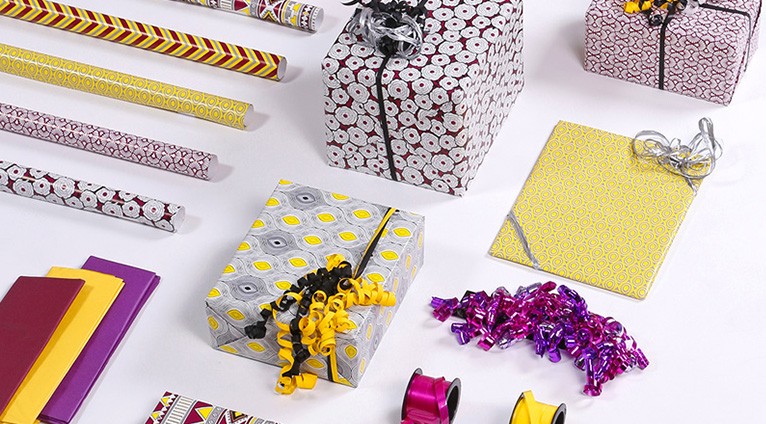
You can find plain, colored origami paper, as well as papers with patterns and prints. Solid-colored papers are excellent for beginners, as they allow you to focus on learning folding techniques.
Patterned or printed papers, on the other hand, can add an original and artistic touch to your creations. However, it’s important to consider the complexity of the pattern in relation to the complexity of the origami model you’re folding.
The back side of the paper is another aspect to keep in mind. Some origami papers have a white reverse, while others have the same color or even a different design on the back. Depending on the model you’re making, working with paper that has contrasting colors or patterns on each side can create visually striking effects.
Types of paper for origami
Kami paper is the traditional Japanese paper specifically designed for origami. It is lightweight, easy to fold, and available in a wide range of colors. It’s the best choice for beginners.
Tissue paper is thin and delicate, often used for more advanced models. It is highly flexible but requires careful handling due to its fragility.
Kraft paper, thicker and more durable, is suitable for larger and sturdier models. It can be painted or decorated according to your preferences. This type of paper is also commonly used for gift wrapping.